There is a particular kind of walk that ends with a notebook full of fragments and no essay. A chiffchaff calling from somewhere inside a hawthorn hedge. The smell of wet leaf litter after rain. A gate that has been hanging badly for years, its hinge wired shut with baler twine. Every detail true, every detail noticed, and none of it yet writing that anyone else would want to read. The missing piece is usually structure — not a formula that flattens the walk, but a shape that lets one morning carry more than one morning. Four parts will do it.
Why a Shape Helps
A seasonal essay works on two levels at once. It records one place at one moment — the field on the edge of the village on the second Sunday in October — and it says something about time, attention, change or patience. Without a shape, the second level never arrives and the piece becomes a list of pleasant things.
The seasons hand you a structure for free, which is both a gift and a trap. Spring gives you arrival, summer abundance, autumn decline, winter stillness. Lean on that and you write the essay everyone else has already written. Better to treat the season as weather and calendar — a set of conditions — and build your own shape on top of it. This is the one I would reach for first.
Part One: The Threshold
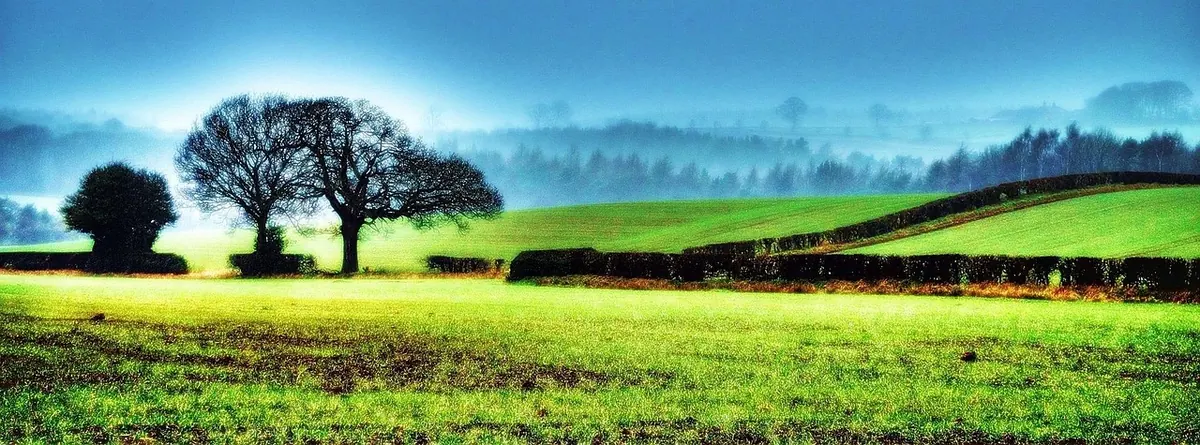
Begin in motion. Not with a summary of the season, not with a statement about autumn being a time of reflection, but at a threshold: a stile, a bridge, a gap in a hedge, the point where the pavement gives way to mud.
Give the reader roughly the date and the weather, then get walking. Two or three sentences is plenty. The frost had not lifted from the shaded side of the lane, though it was nearly eleven. That one line does more work than a paragraph about the beauty of autumn.
The threshold matters because it establishes a contract: a real person, in a real place, at a real time, is going to look at something and think about it. Readers will follow that. They will not follow a voice that floats above the landscape, admiring it from a great height.
Part Two: The Close Look
This is the longest section, and the one most writers rush. Slow down. Choose three or four things and look at them properly.
The trick is to trade adjectives for facts. "The leaves were turning" says nothing. "The field maple on the corner had gone yellow from the edges inwards, each leaf keeping a green heart" puts the reader on the path. So does the cold coming through the soles of your boots, the smell of a bonfire two fields away, the sound of a wood pigeon that always seems to be the only bird left.
Pay attention to what you would normally walk past:
- the awkward detail — the mud, the litter, the midges, the farm machinery drowning out the birdsong
- the thing you cannot name, written down anyway and looked up later
- the human trace — a boot print, a fence repaired badly, initials cut into a bench
- the repetition — the same robin at the same gap in the hedge three weeks running
Keep the notebook with you on the walk, not at the desk afterwards. Memory tidies everything into a cliché.
Part Three: The Turn
The turn is where the essay changes gear. Looking stops being only looking. You step back and widen the frame without leaving the walk behind.
Good turns come from questions rather than conclusions. Why has that hedge been laid rather than flailed? What stood here before the housing estate? How many winters has this oak seen? You can bring in history, geology, something a neighbour said, a half-remembered fact. Keep it short: a paragraph of context is usually enough, two is plenty.
Avoid the two traps. The moral — and so we should all slow down — and the manufactured epiphany — and suddenly I understood everything. Honesty is more interesting. If you do not know the name of the fungus on the birch, say so. The not-knowing is material, and far more convincing than a borrowed fact.
Part Four: The Return
Come back. Not to the same sentence, but to the same place, image or object you opened with. If you started at the gate, end at the gate, and let it carry more weight than it did.
This is what makes an essay feel whole rather than merely stopped. It does not need a neat resolution; a good closing image often holds two things at once. The gate still hangs badly. The light has gone. Something has shifted in how you see it. Leave a little unresolved — a season is not a story with a moral, and readers can tell the difference between a real ending and a bow tied on top.
Keeping It Honest
Do not let the calendar write the piece. "October is a month of mists and mellow fruitfulness" has been written already; your job is to find out what this October actually did, in this lane, on this morning.
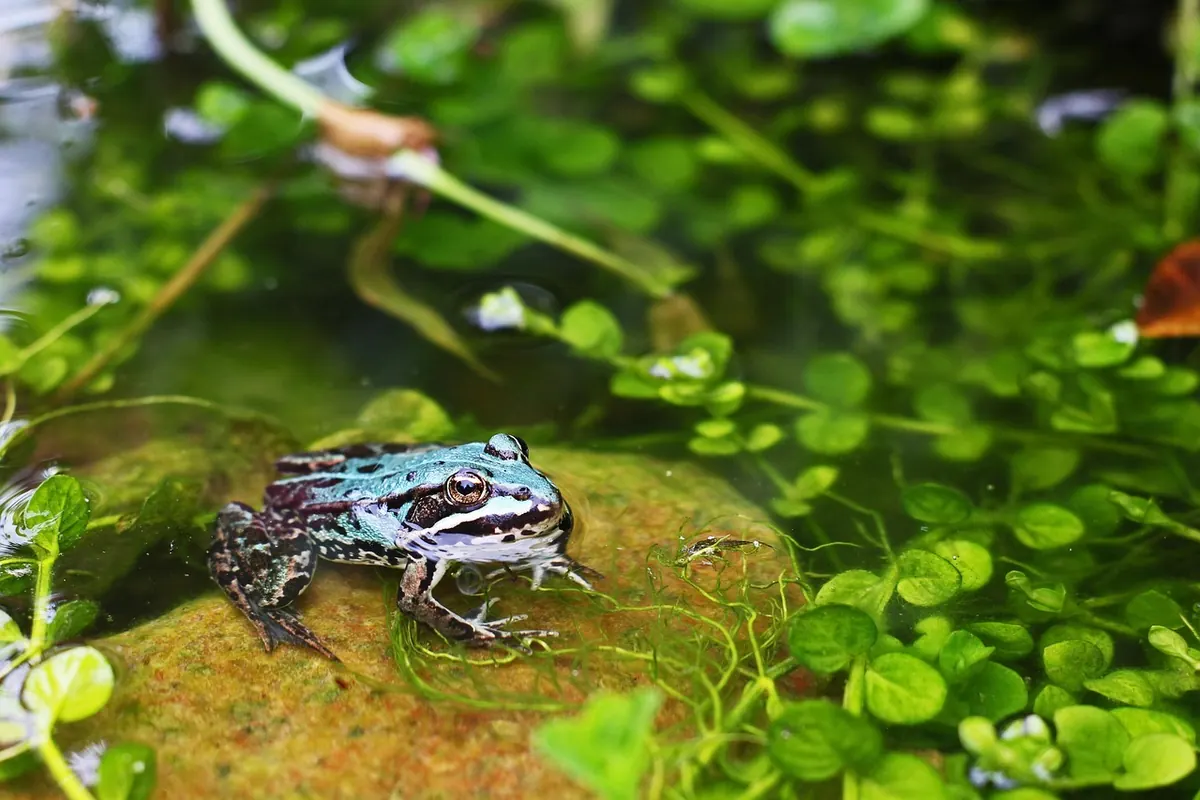
Do not over-fill, either. One frog described properly beats a page of wildlife. And do not perform wonder: if a moment moved you, a specific detail will carry it. If it did not, no amount of lyrical phrasing will help.
A checklist before you draft
- One walk, one place, one season. Resist compressing a whole year.
- Open on the path within two sentences.
- Include three details you could only have gathered by being there.
- Turn the piece once, with a question rather than a lesson.
- Close on an image that echoes the opening.
- Read it aloud and cut anything that exists only to sound beautiful.
Draft It in One Sitting
Give yourself a workable process. Walk with a small notebook and jot fragments — five words each is plenty; you are not taking minutes. That evening, set a timer for forty minutes and write the four parts straight through without editing. Keep the threshold brief, the close look generous, the turn modest, the return short.
Then leave it overnight. The next morning, read it aloud and cut about a tenth of the words. Find the paragraph where you start explaining what the essay means, and consider deleting most of it — the reader was already there with you.
Check what can be checked: the spellings of plant and bird names, the name of the lane, the date, the direction of the wind. Small accuracy is what allows a reader to trust the larger reflection. Then walk the route again. The second visit will tell you what the essay was actually about.
Photo: Pavel Danilyuk / Pexels